Red Team
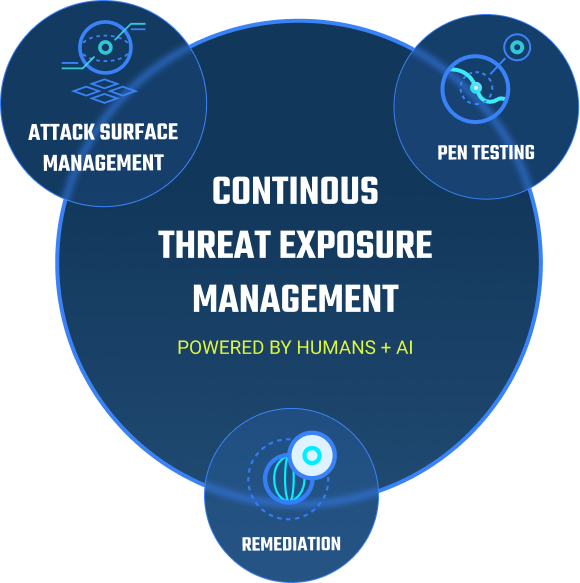
Red Team Overview

Assumed Breach
Simulate post-breach scenarios to test detection, response, and resilience against advanced adversary behavior.
Methodology:
- Assume initial access and execute scenario-based attack paths
- Test lateral movement, persistence, and data exfiltration techniques
- Evaluate security monitoring, alerting, and response effectiveness
- Measure time-to-detection and containment gaps
- Deliver executive-ready findings with operational improvement guidance

Physical On-Site Assessment
Evaluate physical security controls onsite to identify access weaknesses and real-world intrusion risks.
Methodology:
- Review facility perimeter controls, entry points, and access mechanisms
- Test badge systems, visitor management, and security procedures
- Assess tailgating, social engineering, and onsite access controls
- Evaluate camera coverage, alarms, and monitoring effectiveness
- Deliver prioritized findings with practical remediation recommendations

Phishing & Vishing
Continuously test employee susceptibility to phishing (text / email) and vishing (voice) attacks to reduce human-driven security risk.
Methodology:
- Design realistic phishing and vishing attack scenarios
- Target users based on role, access level, and risk profile
- Execute controlled email and voice-based social engineering campaigns
- Measure click rates, credential exposure, and reporting behavior
- Deliver actionable insights and remediation to strengthen security awareness
Assumed Breach
Simulate post-breach scenarios to test detection, response, and resilience against advanced adversary behavior.
Methodology:
- Assume initial access and execute scenario-based attack paths
- Test lateral movement, persistence, and data exfiltration techniques
- Evaluate security monitoring, alerting, and response effectiveness
- Measure time-to-detection and containment gaps
- Deliver executive-ready findings with operational improvement guidance
Physical On-Site Assessment
Evaluate physical security controls onsite to identify access weaknesses and real-world intrusion risks.
Methodology:
- Review facility perimeter controls, entry points, and access mechanisms
- Test badge systems, visitor management, and security procedures
- Assess tailgating, social engineering, and onsite access controls
- Evaluate camera coverage, alarms, and monitoring effectiveness
- Deliver prioritized findings with practical remediation recommendations
Phishing & Vishing
Continuously test employee susceptibility to phishing (text / email) and vishing (voice) attacks to reduce human-driven security risk.
Methodology:
- Design realistic phishing and vishing attack scenarios
- Target users based on role, access level, and risk profile
- Execute controlled email and voice-based social engineering campaigns
- Measure click rates, credential exposure, and reporting behavior
- Deliver actionable insights and remediation to strengthen security awareness
WHAT TO EXPECT?

Onboarding Platform

Align Objectives & Outcomes

Ongoing Testing / PIT Testing

Quarterly Service Review

Ongoing Testing Dashboard
Why Evolve Security?
01
CTEM Maturity Model
02
CPT Market Leader
03
Award Winning Platform
04
OffSec Operations Center (OSOC)
05
Trusted Methodologies
06
Customized Simulations
Game Changing Resources
ROI on Continuous Penetration Testing (CPT)

The CTEM Chronicles: A Fictional Case Study of Real-World Adoption

Webinar: A Case for CTEM
Fireside Chat: State of Cybersecurity 2025

Zafran & Evolve Security - Executive Roundtable