Network Penetration Testing
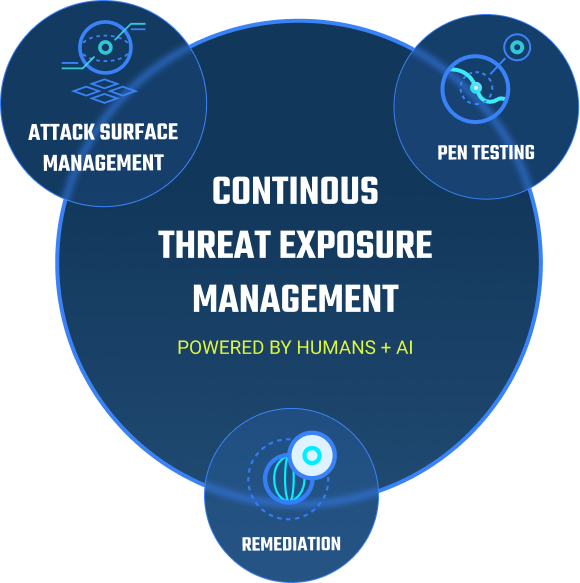
Network Testing Overview

External Penetration Testing
Continuously test internet-facing systems to identify exploitable weaknesses before attackers can access them.
Methodology:
- Identify exposed assets, services, and attack surfaces
- Test perimeter defenses, firewalls, VPNs, and edge controls
- Assess web services, APIs, and network entry points
- Simulate real-world external attacker techniques
- Deliver prioritized remediation based on exploitability and impact

Internal Security Assessment
Continuously evaluate internal network security to identify lateral movement, privilege escalation, and access risks.
Methodology:
- Assess internal segmentation, trust relationships, and access controls
- Test credential exposure and privilege escalation paths
- Evaluate endpoint, directory, and authentication weaknesses
- Simulate insider and post-compromise attack scenarios
- Provide risk-ranked findings with actionable remediation

Wireless Penetration Testing
Continuously test wireless networks to identify exploitable weaknesses, rogue access points, and unauthorized access risks.
Methodology:
- Discover and analyze wireless networks, SSIDs, and access points
- Test encryption, authentication, and key management controls
- Identify rogue, evil twin, and misconfigured access points
- Assess client device security and wireless segmentation
- Deliver prioritized remediation aligned to industry best practices
Advanced Testing (Assumed Breach)
Simulate post-breach scenarios to test detection, response, and resilience against advanced adversary behavior.
Methodology:
- Assume initial access and execute scenario-based attack paths
- Test lateral movement, persistence, and data exfiltration techniques
- Evaluate security monitoring, alerting, and response effectiveness
- Measure time-to-detection and containment gaps
- Deliver executive-ready findings with operational improvement guidance
External Penetration Testing
Continuously test internet-facing systems to identify exploitable weaknesses before attackers can access them.
Methodology:
- Identify exposed assets, services, and attack surfaces
- Test perimeter defenses, firewalls, VPNs, and edge controls
- Assess web services, APIs, and network entry points
- Simulate real-world external attacker techniques
- Deliver prioritized remediation based on exploitability and impact
Internal Security Assessment
Continuously evaluate internal network security to identify lateral movement, privilege escalation, and access risks.
Methodology:
- Assess internal segmentation, trust relationships, and access controls
- Test credential exposure and privilege escalation paths
- Evaluate endpoint, directory, and authentication weaknesses
- Simulate insider and post-compromise attack scenarios
- Provide risk-ranked findings with actionable remediation
Wireless Penetration Testing
Continuously test wireless networks to identify exploitable weaknesses, rogue access points, and unauthorized access risks.
Methodology:
- Discover and analyze wireless networks, SSIDs, and access points
- Test encryption, authentication, and key management controls
- Identify rogue, evil twin, and misconfigured access points
- Assess client device security and wireless segmentation
- Deliver prioritized remediation aligned to industry best practices
Advanced Testing (Assumed Breach)
Simulate post-breach scenarios to test detection, response, and resilience against advanced adversary behavior.
Methodology:
- Assume initial access and execute scenario-based attack paths
- Test lateral movement, persistence, and data exfiltration techniques
- Evaluate security monitoring, alerting, and response effectiveness
- Measure time-to-detection and containment gaps
- Deliver executive-ready findings with operational improvement guidance
WHAT TO EXPECT?

Onboarding Platform

Align Objectives & Outcomes

Ongoing Testing / PIT Testing

Quarterly Service Review

Ongoing Testing Dashboard
Why Evolve Security?
01
CTEM Maturity Model
02
CPT Market Leader
03
Award Winning Platform
04
OffSec Operations Center (OSOC)
05
Trusted Methodologies
06
Customized Simulations
Game Changing Resources
ROI on Continuous Penetration Testing (CPT)

The CTEM Chronicles: A Fictional Case Study of Real-World Adoption

Webinar: A Case for CTEM

Fireside Chat: State of Cybersecurity 2025

Zafran & Evolve Security - Executive Roundtable