AI Pen Testing
Trust AI systems that behave as intended, secure, resilient, and aligned. Secure AI and LLM implementations by validating models, pipelines, and integrations against real-world abuse. Our team tests how AI actually fails, so it can be trusted to operate safely at scale.
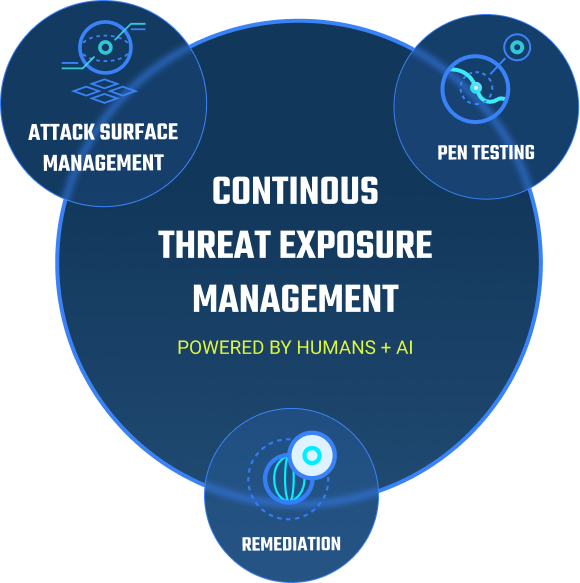
AI/LLM Testing Overview
A hybrid approach blending AI governance, threat modeling and adversarial testing of models, including repeatable tests and remediation validation.

NIST AI RMF
Align AI systems to NIST AI RMF with structured risk identification, governance controls, and continuous validation.
Methodology:
- Map AI use cases to NIST AI RMF core functions and risk categories
- Assess governance, accountability, and model lifecycle controls
- Evaluate data quality, bias, transparency, and explainability risks
- Test model robustness, security, and operational resilience
- Deliver prioritized remediation aligned to compliance and business impact

Threat Modeling
Identify and prioritize AI-specific threats across models, data, infrastructure, and deployment environments.
Methodology:
- Decompose AI architecture, data flows, and trust boundaries
- Identify AI-specific threats (model abuse, poisoning, prompt injection)
- Assess attacker impact, likelihood, and business risk
- Map threats to controls and mitigation strategies
- Validate findings through attack simulation and expert review

AI Penetration Testing
Simulate real-world attacks to uncover exploitable weaknesses in AI models, APIs, and pipelines.
Methodology:
- Test AI models, APIs, plugins, and orchestration layers
- Execute prompt injection, data leakage, and model abuse scenarios
- Assess authentication, authorization, and input validation controls
- Evaluate training data exposure and inference risks
- Deliver actionable findings with prioritized remediation guidance
NIST AI RMF
Align AI systems to NIST AI RMF with structured risk identification, governance controls, and continuous validation.
Methodology:
- Map AI use cases to NIST AI RMF core functions and risk categories
- Assess governance, accountability, and model lifecycle controls
- Evaluate data quality, bias, transparency, and explainability risks
- Test model robustness, security, and operational resilience
- Deliver prioritized remediation aligned to compliance and business impact
Threat Modeling
Identify and prioritize AI-specific threats across models, data, infrastructure, and deployment environments.
Methodology:
- Decompose AI architecture, data flows, and trust boundaries
- Identify AI-specific threats (model abuse, poisoning, prompt injection)
- Assess attacker impact, likelihood, and business risk
- Map threats to controls and mitigation strategies
- Validate findings through attack simulation and expert review
AI Penetration Testing
Simulate real-world attacks to uncover exploitable weaknesses in AI models, APIs, and pipelines.
Methodology:
- Test AI models, APIs, plugins, and orchestration layers
- Execute prompt injection, data leakage, and model abuse scenarios
- Assess authentication, authorization, and input validation controls
- Evaluate training data exposure and inference risks
- Deliver actionable findings with prioritized remediation guidance
WHAT TO EXPECT?

Onboarding Platform
1

Align Objectives & Outcomes
2

Ongoing Testing / PIT Testing
3

Quarterly Service Review
4

Ongoing Testing Dashboard
5
Why Evolve Security?
01
CTEM Maturity Model
Evaluate CTEM maturity and strengthen resilience by assessing readiness against evolving adversary techniques and attack vectors.
02
CPT Market Leader
Offensive SOC and engineering experts drive measurable outcomes, guiding every phase from exposure discovery to remediation.
03
Award Winning Platform
Darwin Attack platform validates security controls and precisely pinpoints prioritized vulnerabilities across dynamic environments.
04
OffSec Operations Center (OSOC)
Agile bullpen of offensive testers rapidly adapts tactics, mirroring adversaries as threats and business priorities shift.
05
Trusted Methodologies
Industry-trusted methodologies including OWASP, OSSTMM, PTES, and NIST ensure disciplined, comprehensive penetration testing rigor.
06
Customized Simulations
Tailored simulations reflect an industry’s distinct threats, adversary behaviors, and mission-critical attack scenarios.
Game Changing Resources
Dive into our game changing resource library that delivers novel thought leadership and real-time perspectives that reimagine how organizations design, manage and elevate offensive security programs
ROI on Continuous Penetration Testing (CPT)
ROI on Continuous Penetration Testing (CPT): Annual Penetration Testing Is Failing Modern Security Programs

The CTEM Chronicles: A Fictional Case Study of Real-World Adoption
Explore a fictional case study of Lunera Capital, a mid-sized financial firm that adopted Continuous Threat Exposure Management (CTEM). See how theory meets practice and how this company goes from chaos to clarity in cybersecurity.
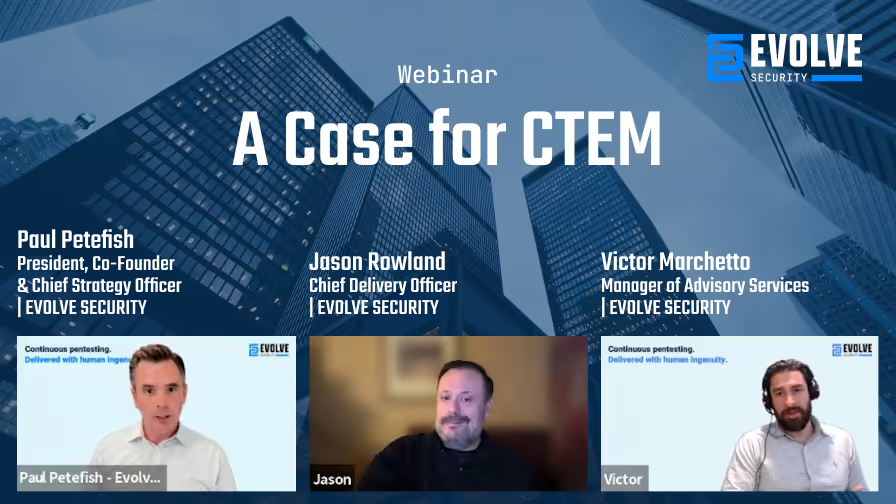
Webinar: A Case for CTEM
A Case for CTEM | September 2025 | Paul Petefish, Jason Rowland, & Victor Marchetto

Fireside Chat: State of Cybersecurity 2025
State of Cybersecurity 2025 | December 2024 | Nils Puhlman & Mark Carney

Zafran & Evolve Security - Executive Roundtable

Black Hat & Def Con
Las Vegas